Wisdom teeth and tooth extraction
Wisdom teeth are the last molars to come through, usually between the late teens and mid-twenties. Many people do not have room for them, so they come in at an angle or stay partly or fully trapped in the gum and bone. These are called impacted wisdom teeth.
An impacted wisdom tooth can trap food and bacteria, causing repeated gum infection (pericoronitis), pain, swelling, decay in the neighbouring tooth and, occasionally, cysts. When that happens, removing the tooth is usually the best option.
We also remove other teeth that cannot be saved, for example when they are badly broken or decayed beyond repair. We always consider saving a tooth first, with root canal treatment or a crown, where that is possible.
When an extraction may be needed
Your dentist may advise removing a tooth if you have:
- Pain, swelling or infection around a wisdom tooth at the back of the mouth
- A wisdom tooth that is impacted or growing at an angle
- A tooth broken or decayed beyond repair
- A tooth loosened by advanced gum disease
- Crowding that needs space to be made before orthodontic treatment
- Difficulty opening your mouth or a bad taste near the back teeth
How tooth extraction and wisdom tooth removal work
Most extractions are done in a single visit.
Examination and X-ray
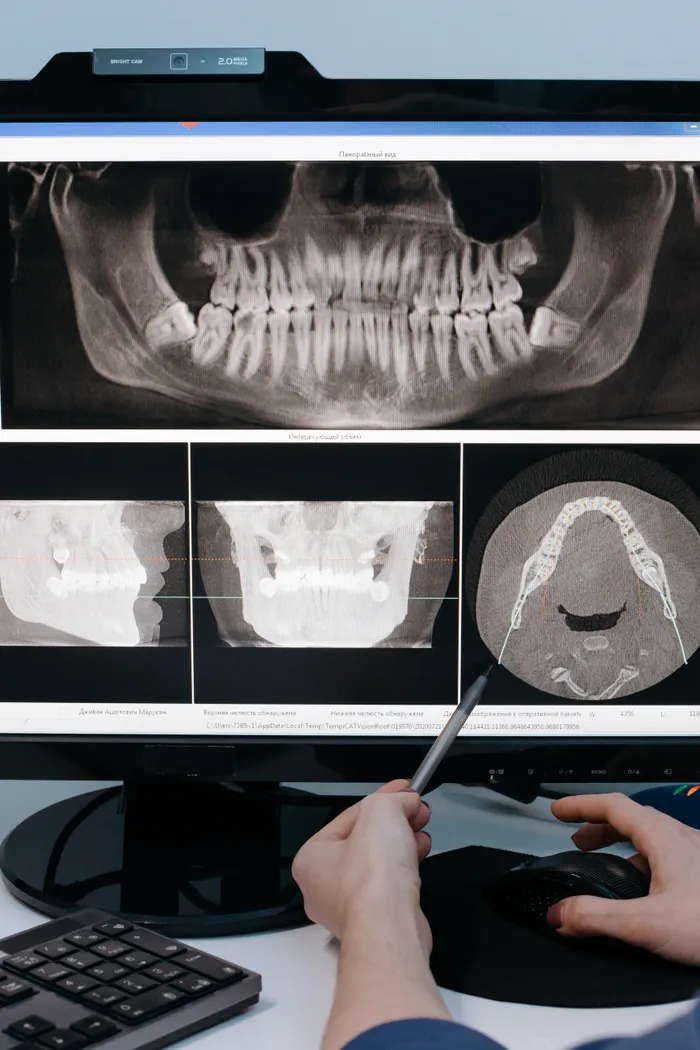
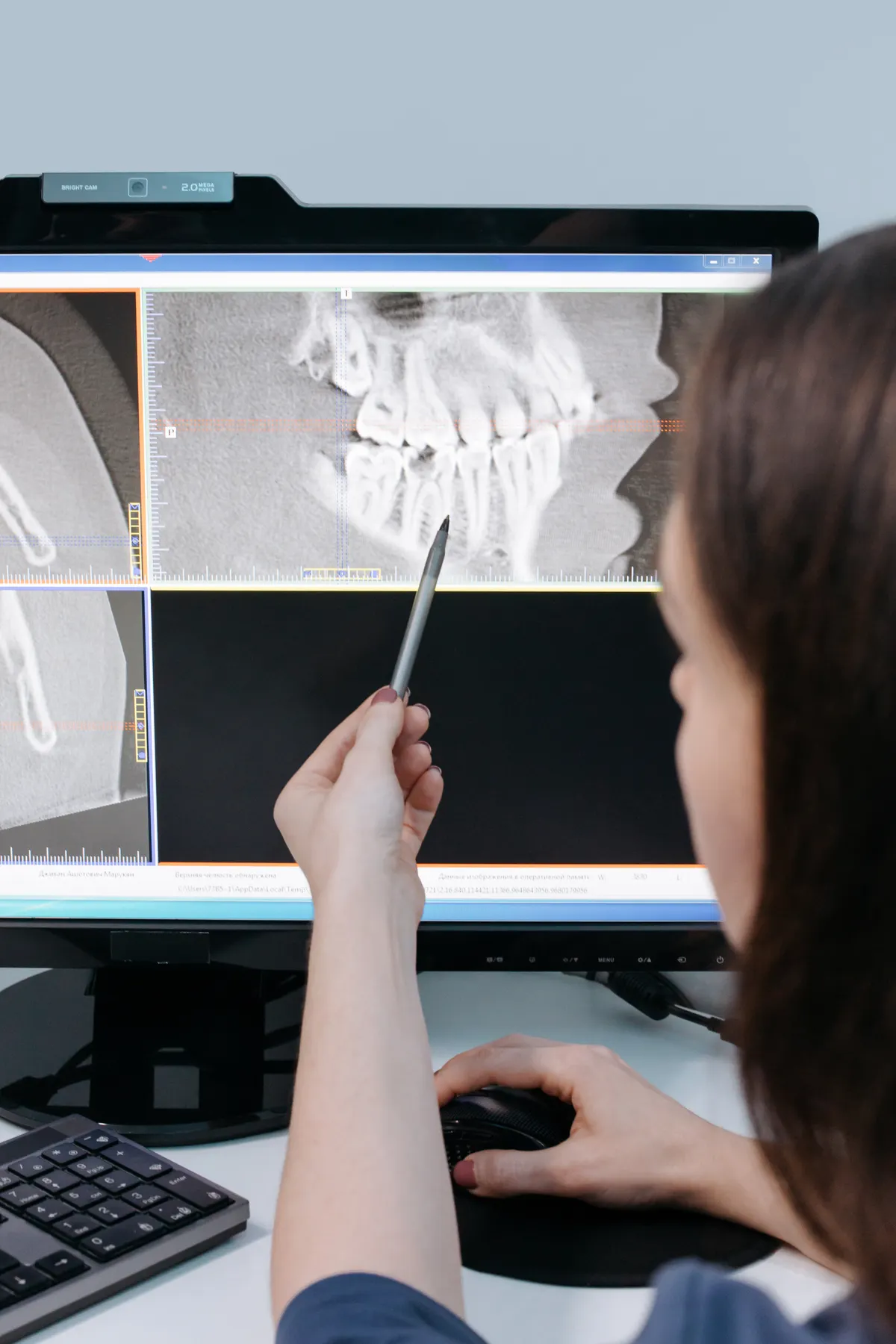
We check the tooth, its roots and its position, usually with an X-ray, and explain what the procedure involves.
Local anaesthesia
The area is thoroughly numbed. You may feel pressure, but you should not feel pain.
Removing the tooth
The tooth is removed carefully. An impacted wisdom tooth may need a small opening in the gum, and stitches afterwards.
Aftercare instructions
Clear written and spoken advice on bleeding, swelling, eating and medication.
Review
A follow-up to check healing and remove stitches if needed.
Recovery after an extraction
Some swelling and discomfort is normal for a few days, especially after wisdom tooth removal.
- Bite gently on the gauze for as long as advised to control bleeding
- Do not rinse, spit forcefully or use a straw for the first 24 hours
- Use a cold pack on the cheek in the first day to reduce swelling
- Eat soft, cool food and chew on the other side
- Avoid smoking, which slows healing and raises the risk of a painful dry socket
- Call the clinic if bleeding, swelling or pain gets worse after the third day
Wisdom tooth removal in Ghatkopar & Kurla with Dental Solutions
Oral surgery at Dental Solutions is planned with an X-ray and explained before it begins, carried out under local anaesthesia with strict sterilisation, and followed by a review so you are not left to manage healing alone.
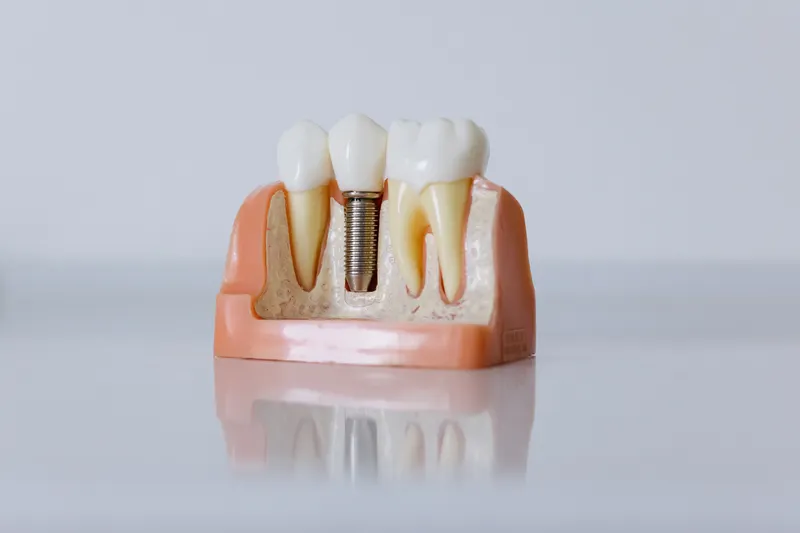
If a removed tooth leaves a gap that should be filled, we explain the options, including dental implants, bridges and dentures, at our clinics in Kurla West and Ghatkopar West.
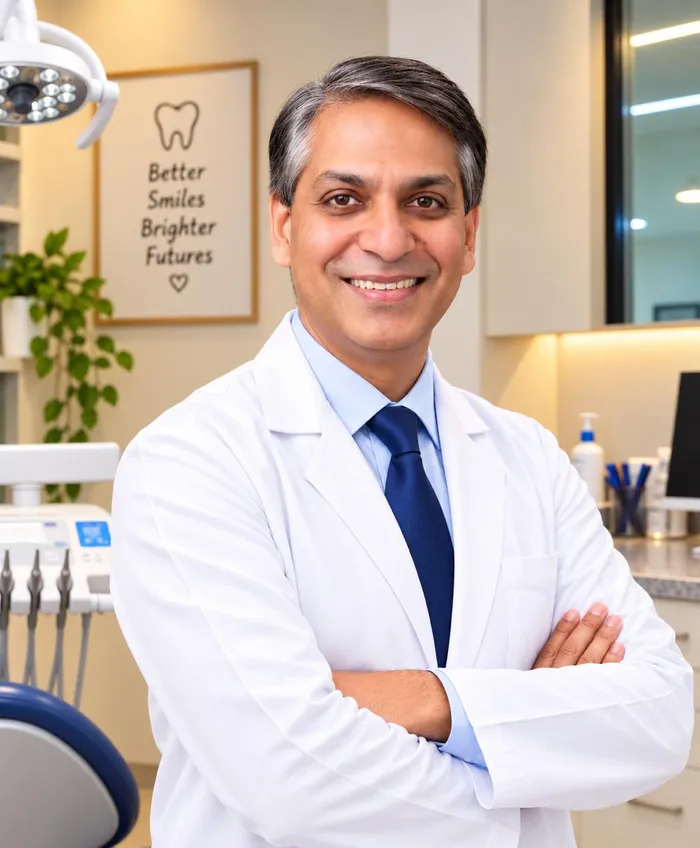
Senior Implantologist & Dental Surgeon
Dr. Girish Gaba
B.D.S. · 22+ years of clinical experience
Dr. Gaba’s work spans dental implants and complex surgical procedures, with a meticulous approach and a strong focus on comfort and predictable healing.
Read profileThis page is general information, not a diagnosis. Only an examination can tell you what is right for your teeth.