What is root canal treatment?
Inside every tooth is the pulp: soft tissue with nerves and blood vessels, running down through narrow channels called root canals. When deep decay, a crack or an old injury lets bacteria reach the pulp, it becomes inflamed or infected. That is what causes the throbbing, lingering pain many people know as a “tooth nerve” problem.
In root canal treatment the infected pulp is removed, the canals are cleaned, shaped and disinfected, and then they are filled and sealed. The tooth is usually protected with a cap (crown) afterwards, because a root-treated tooth can be more brittle.
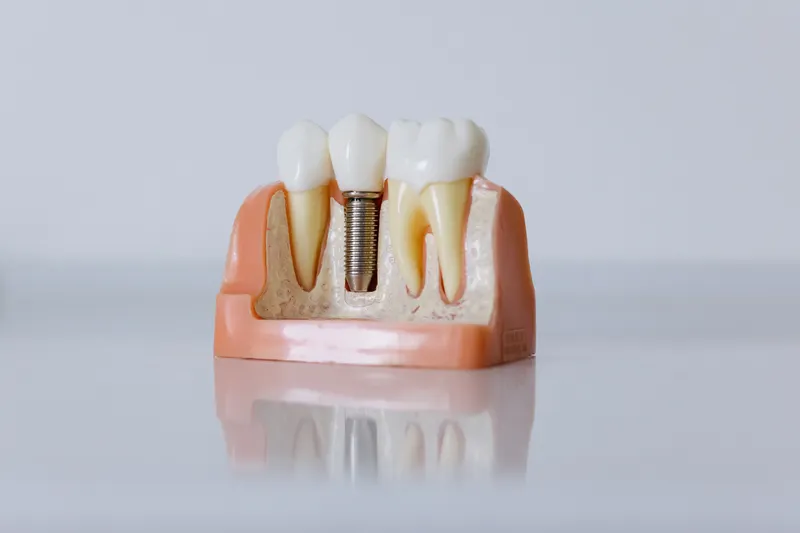
The alternative is usually removing the tooth, which leaves a gap that then needs a bridge, an implant or a denture. Saving your own tooth with RCT is often the simpler, longer-lasting choice.
Signs you may need a root canal
Only an examination and an X-ray can confirm it, but these are common signs:
- Severe or throbbing toothache, especially when chewing or at night
- Sensitivity to hot or cold that lingers after the food or drink is gone
- Swelling or tenderness in the gum near a tooth, or a small pimple on the gum
- A tooth that has darkened in colour
- A deep cavity or a large, old filling that has started to hurt
- A cracked or broken tooth that has become painful
What happens during root canal treatment
Most root canal treatment is completed in one to three visits, depending on the tooth and the infection.
Diagnosis
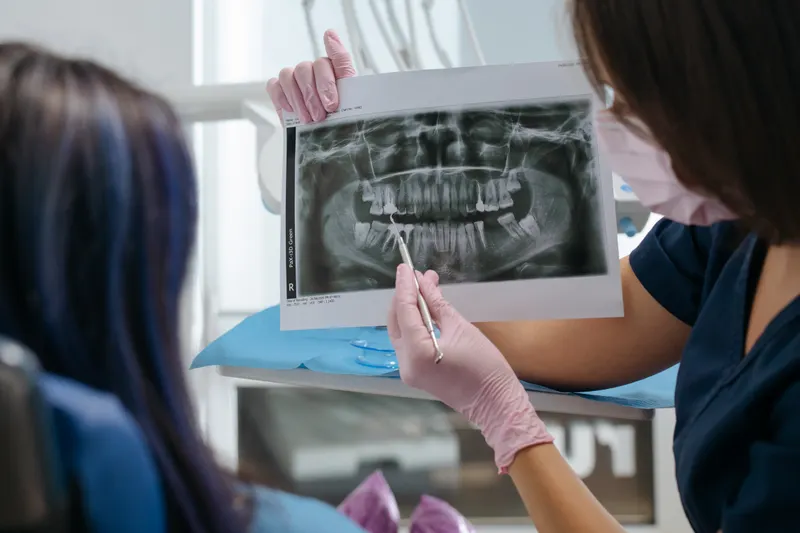
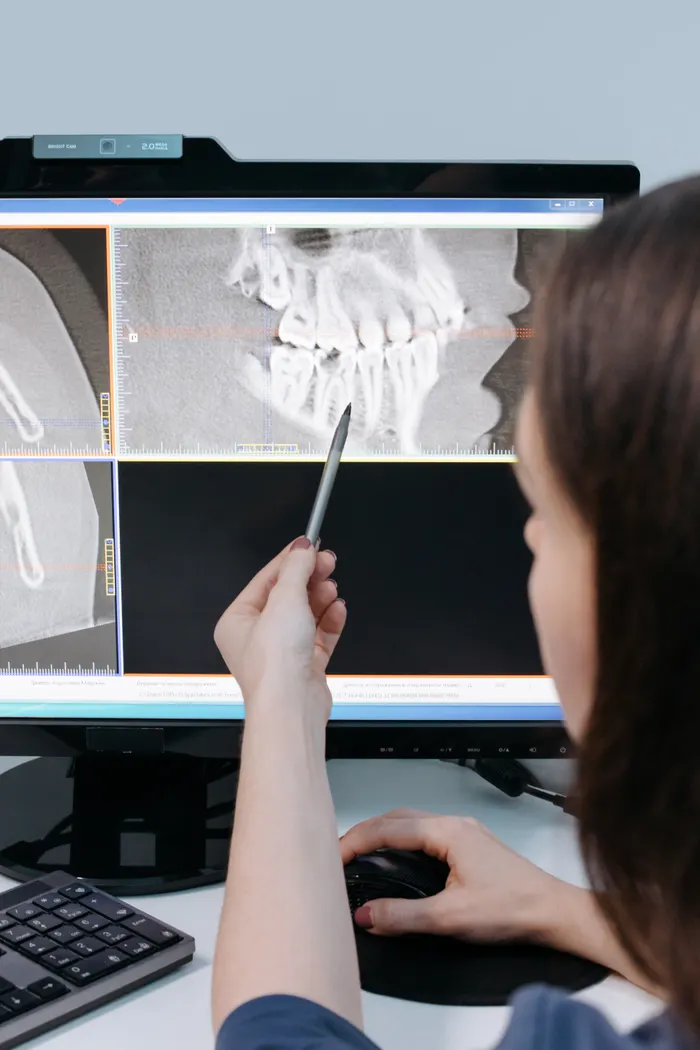
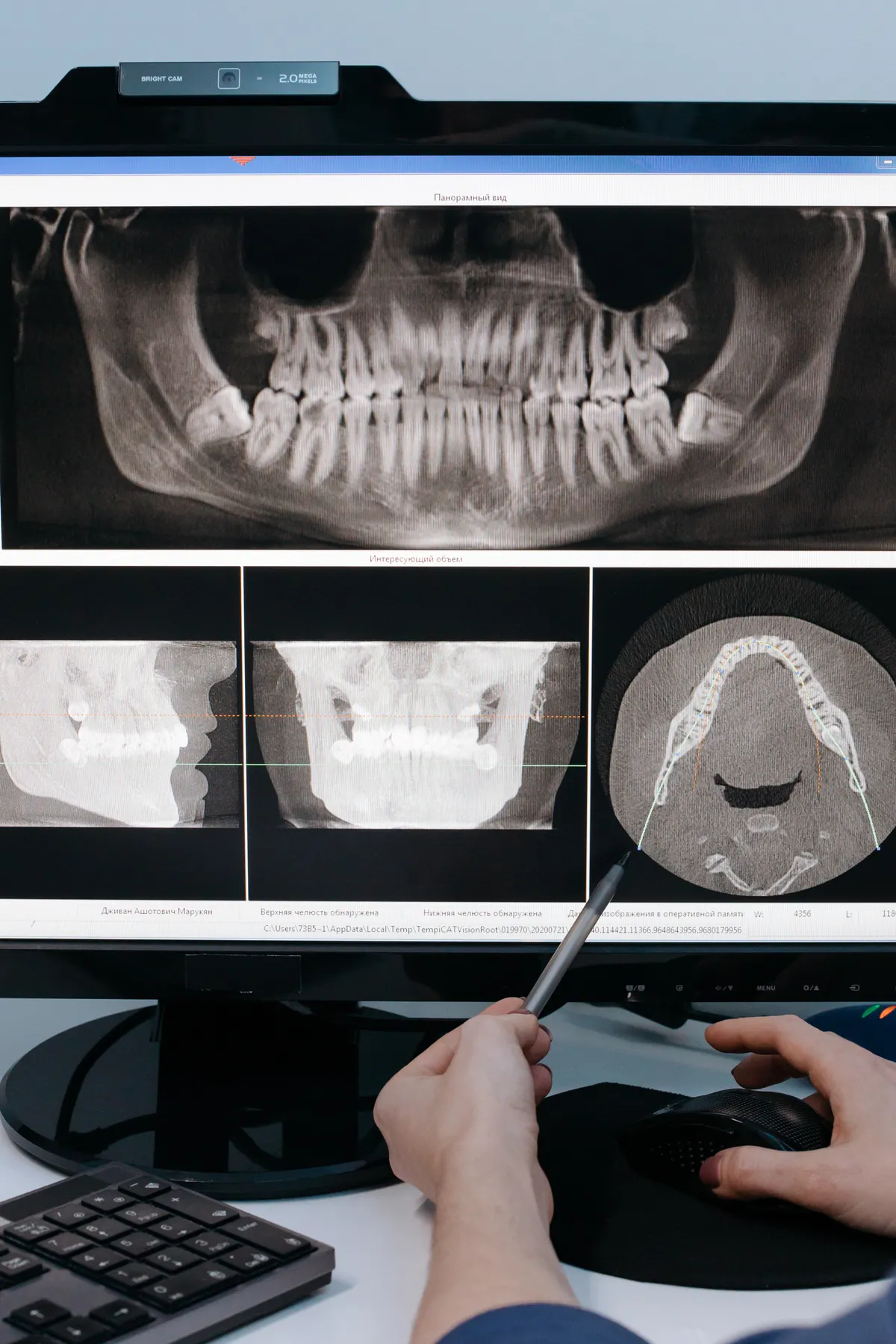
We examine the tooth and take an X-ray to see the shape of the roots and how far the infection has spread.
Local anaesthesia
The tooth and the area around it are numbed, so the treatment feels much like having a filling.
Cleaning the canals
The infected pulp is removed and the canals are cleaned, shaped and disinfected.
Sealing
The canals are filled and sealed to keep bacteria out, and the tooth is closed with a filling.
A cap to protect it
Where needed, a crown is fitted over the tooth so it can take the force of chewing.
After your root canal
Some tenderness for a few days is normal and usually settles with simple care.
- Avoid chewing on the treated tooth until it has been fully restored or capped
- Take any pain relief exactly as your dentist advises
- Come back for your crown appointment if one is recommended; an uncapped back tooth can crack
- Brush and floss as normal, and keep your regular check-ups
- Call the clinic if swelling increases or pain gets worse rather than better
Root canal treatment in Ghatkopar & Kurla with Dental Solutions
Toothache rarely waits for a convenient day. Our clinics on LBS Marg in Kurla West and Ghatkopar West are open six days a week into the evening, with shorter Sunday hours, so you can usually be seen without travelling far.
Every tooth is diagnosed with an X-ray before treatment, the procedure and the number of visits are explained first, and if the tooth needs a cap afterwards it is made by the same team, so your treatment is finished properly.
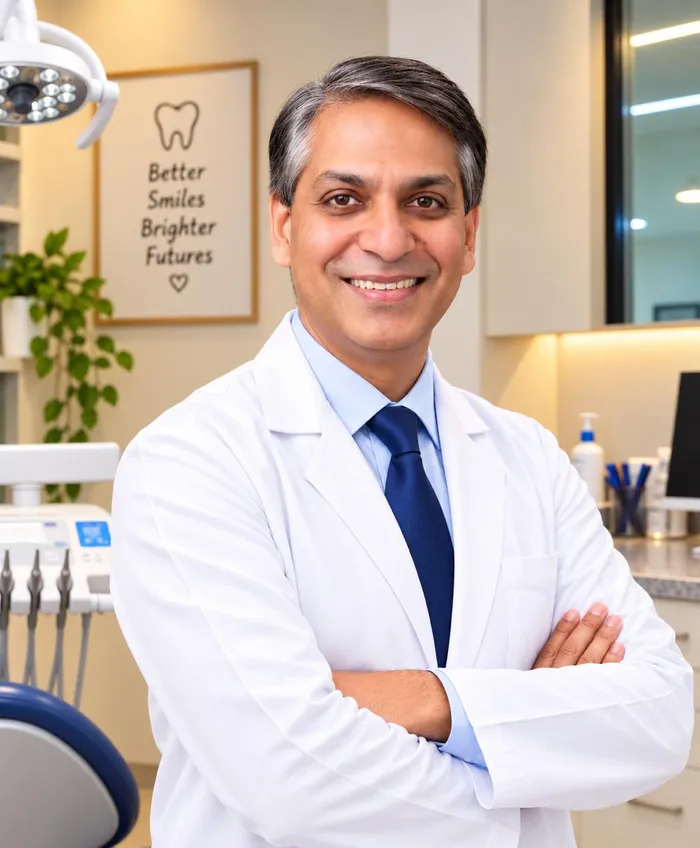
Senior Implantologist & Dental Surgeon
Dr. Girish Gaba
B.D.S. · 22+ years of clinical experience
Dr. Gaba leads a team focused on advanced restorative dentistry, with an emphasis on saving natural teeth where it is possible and on predictable, long-lasting results.
Read profileThis page is general information, not a diagnosis. Only an examination can tell you what is right for your teeth.